
Welcome
Expert Podiatry Services at North Derbyshire Foot Clinic
Established in 2007, North Derbyshire Foot Clinic has been delivering a high standard of foot care for the last two decades.
Established in 2007, North Derbyshire Foot Clinic has been delivering a high standard of foot care for the last two decades.
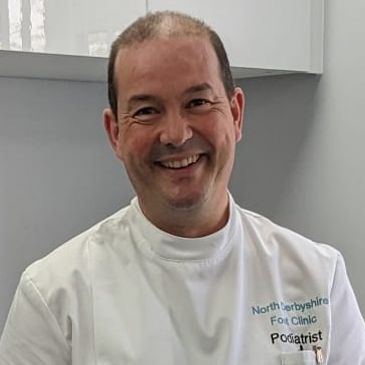
Hi, I'm Simon, I am born and bred in Matlock.
After gaining valuable experience working in and around Matlock. I qualified from Huddersfield University with a degree in Podiatry. In 2005 I established North Derbyshire Foot Clinic as a Home Visit (Domiciliary) Practice as well as started working as an NHS Community Specialist Podiatrist.
I
Hi, I'm Simon, I am born and bred in Matlock.
After gaining valuable experience working in and around Matlock. I qualified from Huddersfield University with a degree in Podiatry. In 2005 I established North Derbyshire Foot Clinic as a Home Visit (Domiciliary) Practice as well as started working as an NHS Community Specialist Podiatrist.
I am very proud of my contribution to the NHS. I helped shape the service as a practising Podiatrist, a member of the management team as well as sitting on the Nail Surgery steering committee as lead nail surgery podiatrist for Chesterfield and NE Derbyshire Podiatry team.
I successful completed my post graduate qualification as a Diabetes Foot Specialist, expanding my knowledge and experience in recognising and treating pathologies of the Diabetic foot, treating and educate people to reduce ulcerations, prolonging foot health.
I resigned from the NHS in 2023 to concentrate on expanding North Derbyshire Foot Clinic.
I was lucky to find my current premises on Smedley Street, which myself, partner and mother took back to a bare shell before having it rebuilt. I drew on my two decades of working in the NHS to design a modern clinic to the same high standards.
I am very proud of the last twenty years of Private Practice, and feel honoured to be able to continue to use my experience and knowledge to serve the community of my home town and surrounding District.
I look forward to seeing you for your first appointment.
We believe in treating the whole person, not just their foot or ankle problem. That's why we take the time to listen to our patients' concerns and goals before creating a personalized treatment plan that meets their unique needs.
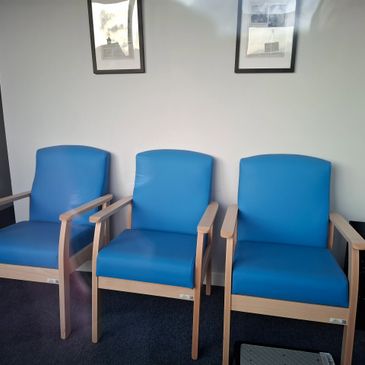
North Derbyshire Foot Clinic - Matlock has been designed and equipped to provide a warm, friendly and professional environment to ensure our patients receive the best possible care.

Podiatry is the treatment of lower limb problems. It may include carrying out special examinations and tests such as gait analysis, computer foot pressure testing, video gait analysis, blood tests or x-rays if necessary.
Treatment will include advice, exercises, providing prescription foot supports known as orthoses or referral for foot surgery. As well as incorporating the traditional treatments carried out by Chiropodists; treatment of foot problems to provide comfort. This includes nail care, removal of hard skin/corns, treatment of verrucae, infection and application of pads.
Foot problems affect athletes and sedentary people alike and can cause pain in the lower back and other joints by changing how you walk or run. Foot problems include infections, sporting or overuse injuries or can be the consequence of some systemic diseases, such as diabetes. Many people, young and old, rely on Podiatrists to maintain a healthy lifestyle.
Get in touch today!
A Podiatrist is a healthcare professional who is qualified to diagnose, treat and prevent foot problems. Working with you the patient to formulate a treatment plan to suite your lifestyle and expectations.
Podiatrists are an integral part of the healthcare team liaising with Doctors, Hospitals, Physiotherapists and Occupational Therapists to provide a complete healthcare solution for you.

Most of us have hard skin or thick nails that are hard to get rid of. If left, not only can your feet become uncomfortable and sore but you are at risk of creating a more serious problem with your feet.
Also untreated the hard skin on your feet can turn into a corn which can cause serious levels of pain and discomfort. By regularly removing the hard skin and corns the symptoms can be successfully managed. Corrective devices individually tailored to your foot shape can, in some cases greatly reduce the build up of hard skin, reducing the need for long term treatment.
Nail surgery is a minor procedure to remove part or all of a nail to treat ingrown, deformed, or infected nails, often providing long-term relief and preventing recurrence. You will be assessed by our Podiatrist, firstly as to whether conservative treatment or surgery is required secondly your suitability for surgery. You will be advised of the pro's and con's throughout the process to allow you to make an informed decision.
For certain members of society, their medical conditions have a great impact on the health of their feet. Diabetes, Arthritis and vascular impaired clients require regular monitoring of their condition to avoid long term complications such as the development of ulcers.
We can compliment your NHS treatment by offering annual assessments as part of your routine treatment.
It maybe, due to conditions such as Arthritis, you simply cannot hold a pair of nail cutters or get down to your feet. Or for the visually impaired, you just can’t see your toes to safely cut your nails
Our podiatrists specialise in treating heel pain, including plantar fasciitis and Achilles tendonitis. We use non-surgical treatments including exercise and orthotics to relieve your pain.
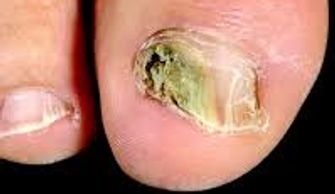
Fungal nail infections (tinea pedis) can be difficult to treat, but our podiatrists have the expertise and experience to provide effective treatment. We will discuss all the the latest anti fungal medications and treatments for you to decide on an appropriate treatment regime.
Athlete's foot (tinea pedis) is a common, contagious fungal infection of the skin, often occurring between toes or on the soles due to warm, damp environments. Athlete's foot is unlikely to get better on its own, antifungal medicines usually take a few weeks to work. It is important to have the right treatment for the right condition. Our Podiatrist will be happy to advise you on the best treatment regime for you.
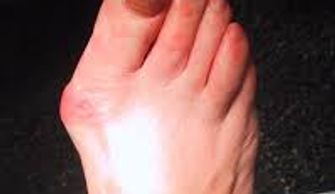
Bunions can cause pain and discomfort, our podiatrists can help alleviate your symptoms. We will discuss the origins of the bunion and describe its development and offering ways through non-surgical treatments to relieve pain and prevent the bunion from getting worse.
If you have a foot wound that is not healing, our podiatrists can provide expert wound care. We use advanced wound care techniques and dressings to help your wound heal faster and prevent infection.
Gout in the big toe is a sudden, intense form of inflammatory arthritis. Correct diagnosis by our Podiatrist can differentiate between other similar conditions and lead to quicker access to GP prescribed drugs.
Please call and leave a message on the answer phone or send an email enquiry using the form below.
Open today | 09:00 – 17:00 |
